If you work with display technology or lighting systems, you already know that color accuracy and luminance uniformity aren’t just nice-to-haves—they’re mission-critical. Traditional spot meters can’t capture the full picture, especially with today’s complex OLEDs, micro-LEDs, and AR/VR displays. That’s where an imaging colorimeter steps in: a powerful tool that maps color and brightness across every pixel in seconds, giving engineers and quality control pros the precision insights they need to hit tight specs without slowing down production. In this guide, you’ll discover how imaging colorimeters revolutionize visual metrology—from the fundamentals to real-world applications—and why they’re quickly becoming indispensable in modern display and lighting testing. Let’s get started!
What Is an Imaging Colorimeter?
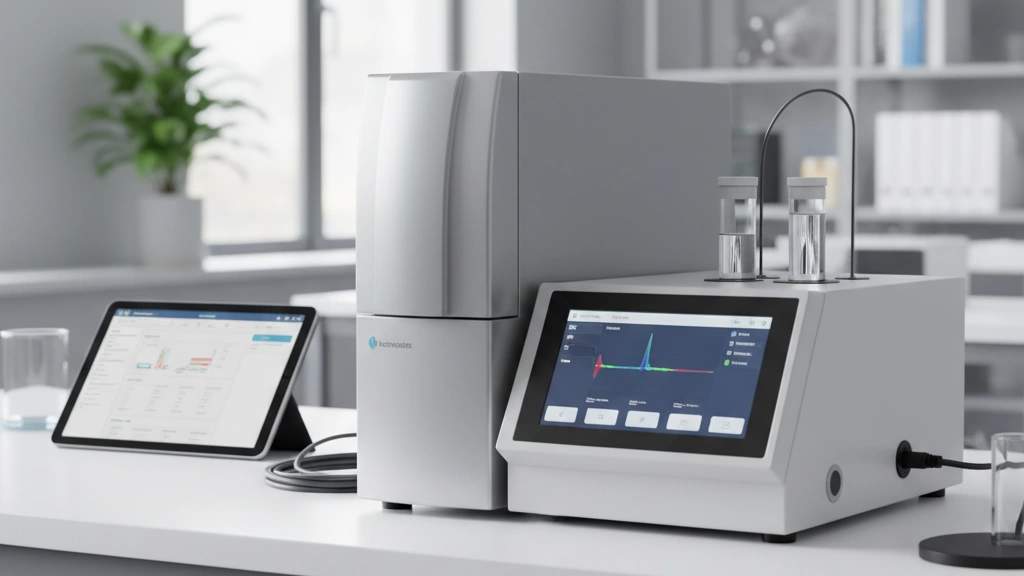
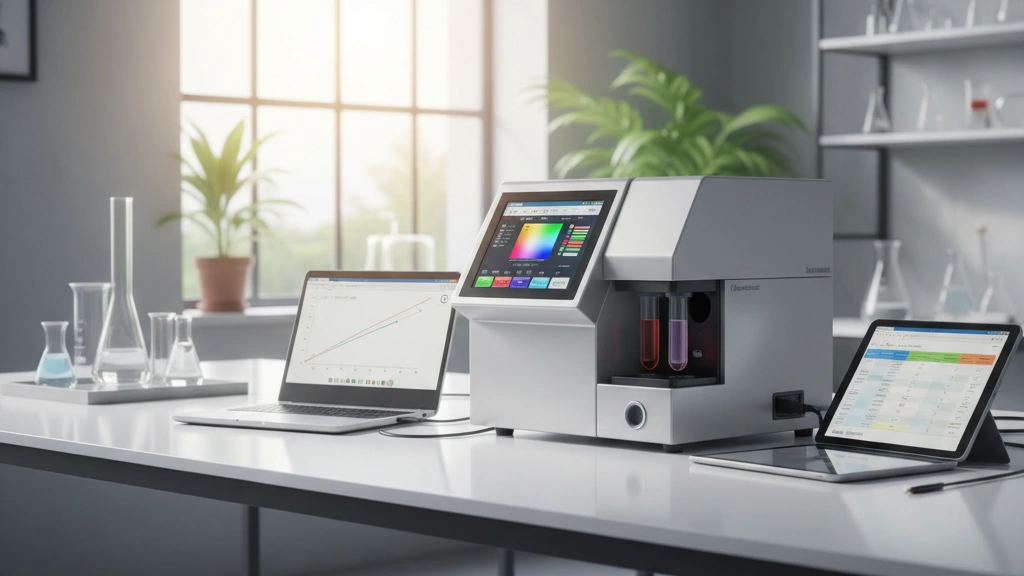
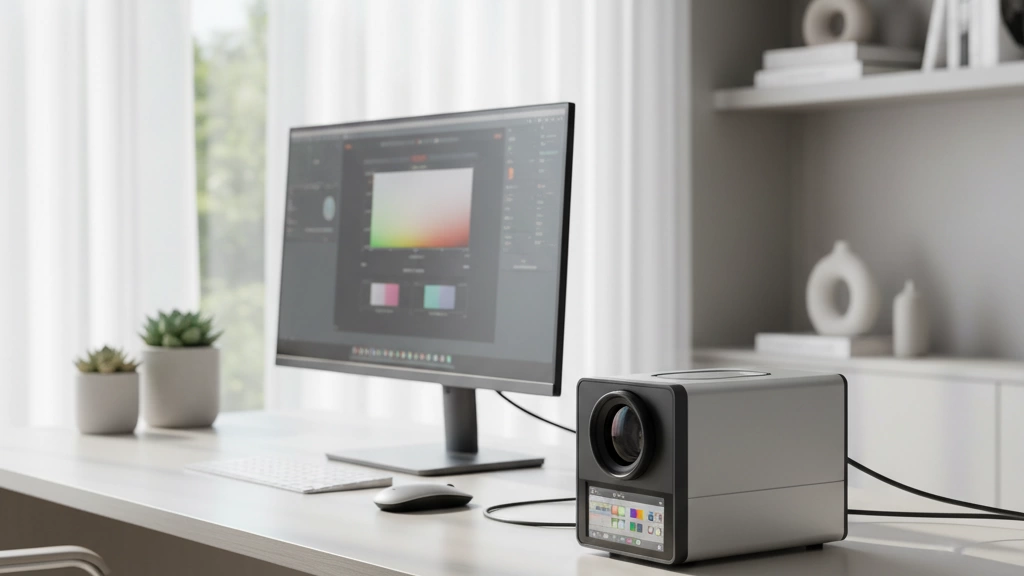
An imaging colorimeter is a specialized device designed to capture and measure color across an entire surface with high precision. It uses high-resolution image sensors combined with tristimulus filters that are carefully calibrated to the CIE color-matching functions—the global standard for color accuracy. This allows for detailed color analysis, luminance measurement, and uniformity testing at the pixel level.
From Early Models to Today’s Powerhouses
- 1990s Prototypes: Early imaging colorimeters had limited resolution and speed, mainly for lab use.
- Modern Devices: Today’s models boast ultra-high resolutions, faster processing, and integrated software for complex tasks like MURA analysis and dynamic range colorimetry.
Key Components at a Glance
| Component | Role |
|---|---|
| Image Sensor | Captures detailed spatial color data |
| Tristimulus Filters | Mimic CIE XYZ curves for accurate color matching |
| Lenses & Optics | Ensure uniform, distortion-free image capture |
| Calibration System | Maintains accuracy following spectroradiometer calibration |
Imaging Colorimeter vs. Related Instruments
| Device | Measurement Style | Key Difference |
|---|---|---|
| Spot Colorimeter | Measures color at a single point | Limited to one point, no imaging |
| Imaging Photometer | Captures luminance across an area | Focuses on brightness, not true color |
| Spectroradiometer | Measures full light spectrum at points | More detailed spectrum but slower, less spatial |
Imaging colorimeters offer a speed and resolution advantage over spot meters and deliver more accurate color data than photometers, making them essential for pixel uniformity testing and OLED defect detection in today’s high-volume display manufacturing.
How Imaging Colorimeters Work
Imaging colorimeters measure color across a surface using high-resolution sensors with tristimulus filters. Here’s a quick look at how they work step-by-step:
Measurement Process
- Image Acquisition: The device captures a detailed image of the target area using a calibrated sensor.
- Calibration: It adjusts readings to match CIE color-matching functions, ensuring accurate chromaticity.
- Tristimulus Filtering: Filters separate the image\’s red, green, and blue components, mimicking human vision.
- MURA Detection: Special algorithms identify and quantify display defects like MURA (uneven brightness or color).
- Uniformity Indexing: The colorimeter calculates uniformity scores for brightness and color consistency.
Software Tools
Modern imaging colorimeters come with powerful software for:
- Batch Processing: Handling multiple samples quickly.
- 3D Color Mapping: Visualizing color and luminance across surfaces in detail.
- Data Export: Integrating results into quality control and manufacturing execution systems (MES).
Performance Metrics
| Metric | What It Means | Why It Matters |
|---|---|---|
| Speed | How fast images are captured | Enables high-volume testing |
| Resolution | Sensor pixel density | Detects tiny defects |
| Dynamic Range | Range of light intensity sensed | Captures both bright and dark areas accurately |
Tips to Avoid Ambient Light Issues
- Use controlled lighting in the environment.
- Employ optical filters and shields to block outside light.
- Perform periodic calibration to adjust for environmental changes.
These steps and features ensure imaging colorimeters provide reliable, fast, and detailed color and luminance measurements for US manufacturers focused on quality and efficiency.
Key Benefits of Imaging Colorimeters
Imaging colorimeters bring several advantages that make them a smart choice for US manufacturers and labs focused on precision and efficiency.
Faster, More Efficient Analysis
- Multi-point measurements: Unlike spot colorimeters that test one point at a time, imaging colorimeters capture thousands of pixels in one shot.
- Speed: This leads to quicker data collection and less downtime in production lines or R&D labs.
Accurate, Repeatable Results
- Sub-pixel defect detection: They spot tiny, hard-to-see defects like OLED uniformity issues and pixel luminance variations.
- Consistency: Repeat measurements maintain tight accuracy, critical for display luminance measurement and chromaticity uniformity testing.
Scalable for Various Needs
- Easily suited for:
- Lab R&D: Detailed pixel-level color mapping and high-res MURA analysis.
- Inline Quality Control: Fast, reliable checks on production lines without slowing down workflows.
Cost Savings and Yield Improvement
- Reduced rework: Early, accurate defect detection prevents costly fixes later.
- Yield gains: Better quality control means fewer rejects, driving down overall manufacturing costs.
Future-Proof Modular Design
- Supports upgrades like:
- New tristimulus color filters.
- Enhanced dynamic range for bright and dim displays.
- Integration with automated MES software common in US factories.
| Benefits | Impact |
|---|---|
| Multi-point Analysis | Faster inspections on complex displays |
| Sub-pixel Accuracy | Detect tiny OLED and pixel defects |
| Scalability | From R&D to high-volume production |
| Cost Savings | Less rework, higher yield |
| Modular Upgrades | Stay current with new tech |
In , imaging colorimeters improve speed, accuracy, and costs, making them a wise investment for US industries aiming to stay competitive and efficient.
Applications Across Industries
Imaging colorimeters play a critical role across multiple sectors by delivering precise color and luminance measurements. Here’s a quick rundown of where they shine:
Display Manufacturing
Used extensively for pixel uniformity testing and advanced 8K MURA analysis, imaging colorimeters help detect subtle OLED defects and optimize chromaticity uniformity. This speeds up quality control and boosts yield in high-volume production lines.
Automotive and Avionics
These devices validate automotive lighting systems—including headlights and dashboard displays—ensuring accurate HUD color fidelity and minimizing glare for safer driving experiences.
Lighting and Backlights
Imaging colorimeters measure LED arrays and entire luminaires, helping evaluate beam patterns and overall light uniformity. This is vital for both commercial and architectural lighting solutions.
Consumer Electronics
From keyboard backlighting to AR/VR optics, and even medical device interfaces, imaging colorimeters enable precise color mapping at the pixel level, ensuring consistent user experience and product reliability.
Emerging Sectors
Areas like aerospace cockpit displays, horticulture lighting, and stage lighting uniformity increasingly rely on high-resolution colorimetric data to improve safety, plant growth, and lighting effects.
Case Study: A leading US display fabrication facility reported a 25% reduction in defects after integrating imaging colorimeters focused on MURA detection and spectroradiometer calibration into their QC workflow. This highlights real-world impact on production efficiency and product quality.
Choosing the Right Imaging Colorimeter

Picking the right imaging colorimeter means focusing on a few key specs that really matter for your work. Here’s what to look for:
- Sensor resolution: Higher resolution gives you finer detail in pixel-level color mapping and OLED defect detection.
- Filter accuracy: Make sure the tristimulus color filters are precisely calibrated to CIE color-matching functions for reliable chromaticity uniformity testing.
- Integration time: Adjustable settings help optimize measurements across different lighting conditions and dynamic range needs.
- Cooling options: Some models offer sensor cooling to reduce noise, improving accuracy in low-light or high-volume production metrology.
Budget vs. Performance
Imaging colorimeters come in tiers:
- Entry-level: Good for basic display luminance measurement and smaller batch testing.
- Mid-range: Balance of speed and accuracy, suitable for most lab R&D or inline QC.
- Enterprise: Top-notch specs with real-time processing and full automation integration, ideal for factories running 8K MURA analysis or large-scale automotive lighting validation.
Vendor Evaluation
Don’t forget to check for:
- Accreditation: ISO certifications and compliance with US industry standards boost confidence.
- Support: Local customer service and fast technical help matter for quick issue resolution.
- Customization: Flexible options to tailor software and hardware for your specific workflows.
Automation & MES Integration
For US manufacturers, seamless integration with automation lines and Manufacturing Execution Systems (MES) is a big plus. Make sure your colorimeter:
- Supports batch processing.
- Offers APIs or software compatibility with existing MES platforms.
- Works smoothly with robotics or conveyor setups in high-volume colorimetry.
Spotlight on Jingce Models
Jingce stands out with its ultra-high accuracy imaging colorimeters designed for the US market. Expect:
- High sensor resolution and low-noise performance.
- Precise tristimulus filter calibration for pixel-level uniformity tests.
- Strong local support and quick customization options.
- Proven results in helping North American display fabs reduce defects and improve yield.
Choosing the right model from Jingce means you get reliable tools that scale from lab research to full production lines—perfect for today’s demanding color and luminance measurement needs.
Jingce: Your Partner in High-Precision Imaging Solutions
Jingce has built a strong reputation in the US market as a trusted provider of high-precision imaging colorimeters and spectral instruments. Their turnkey metrology suites are designed to meet the demanding needs of industries like display manufacturing, automotive lighting, and consumer electronics.
Why Choose Jingce?
- Ultra-Low Noise Sensors: Jingce products deliver clean, precise data essential for accurate display luminance measurement and OLED defect detection.
- Real-Time Processing: Their systems handle fast, batch processing and 3D color mapping, helping you keep up with high-volume production metrology.
- Scalable Solutions: From lab R&D setups to inline QC on your manufacturing floor, Jingce’s modular designs grow with your needs.
Proven Success with North American Firms
Many display manufacturers across the US have improved yield and reduced defects by up to 25% using Jingce imaging colorimeters—especially for challenging tasks like pixel-level color mapping and MURA analysis tools.
Ready to Improve Your Color Measurement?
Download Jingce spec sheets or schedule a demo today to see how their leading-edge tristimulus color filters and flat-field correction techniques can boost your quality control processes. Experience hands-on support tailored for US customers, backed by local expertise.