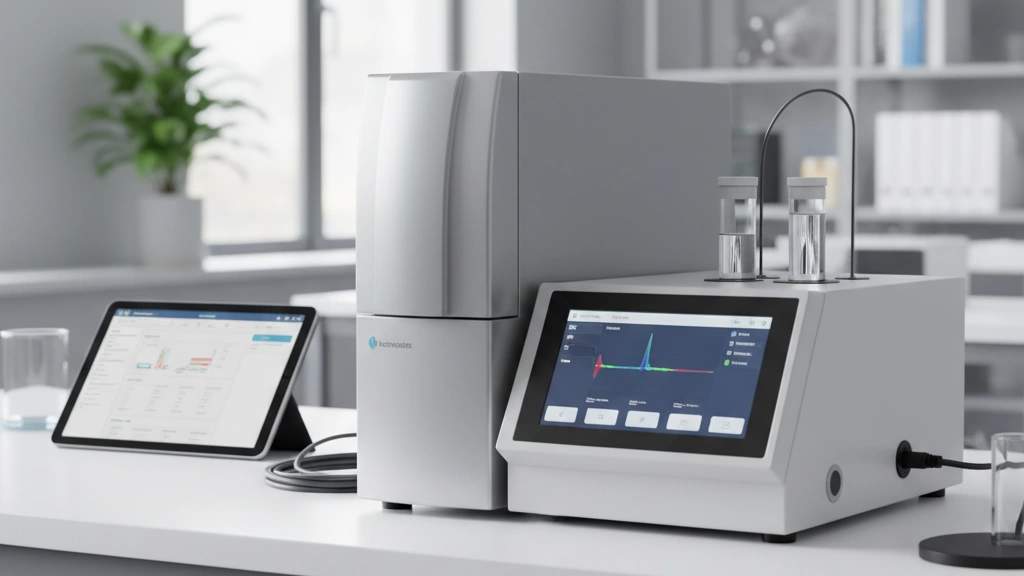
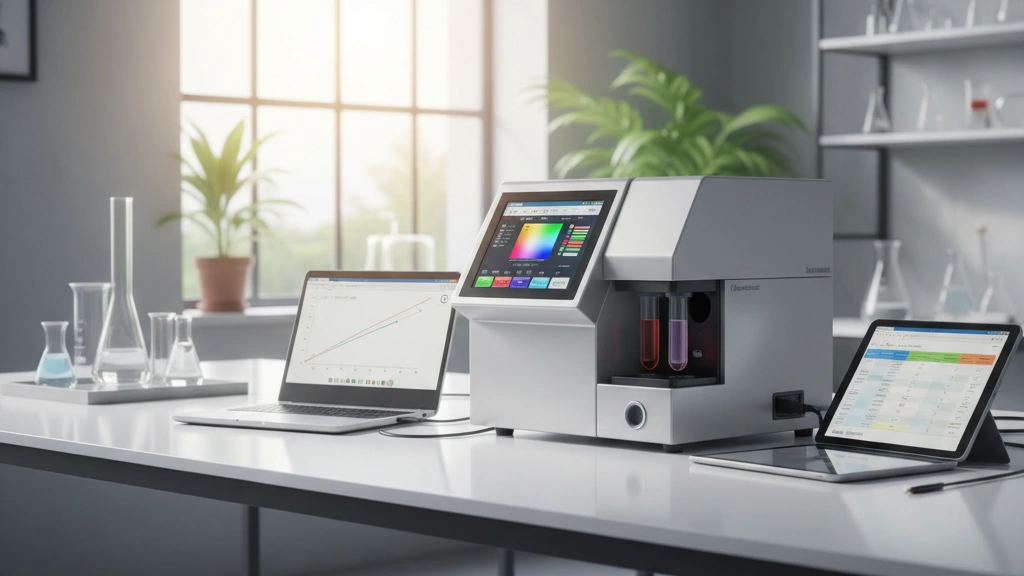
Ever wondered how labs achieve lightning-fast, ultra-precise measurements of solution concentrations? That’s where a photometric colorimeter steps in. This indispensable instrument transforms light absorbance data into actionable insights, making it a go-to tool for chemists, researchers, and quality control specialists alike. Whether you’re optimizing environmental tests, biochemical assays, or industrial processes, understanding how a photometric colorimeter works can elevate your lab’s accuracy and efficiency. Ready to unlock the science behind this powerful device? Let’s get started.
Understanding Photometric Colorimeters
Photometric colorimeters are essential tools for measuring the color and concentration of solutions through light absorbance. But what exactly are they, and how did they evolve?
Fundamentals and Key Components
At its core, a photometric colorimeter measures how much light a sample absorbs at specific wavelengths. The key parts include:
- Light source: Provides consistent, controlled illumination.
- Filters or monochromators: Select the light wavelength to match the sample’s absorbance peak.
- Sample holder (cuvette): Holds the liquid sample securely.
- Photodetector: Measures the intensity of light passing through the sample.
- Display/processor: Converts light data into readable absorbance or concentration values.
Historical Context and Evolution
Photometric devices date back to the early 20th century, evolving from simple light meters to sophisticated analyzers. Originally, color measurement relied on visual comparison methods. With the rise of electronic photometric instruments, accuracy and repeatability drastically improved. Modern photometric colorimeters blend classic optics with digital precision for rapid, reliable results.
Core Principles: Beer-Lambert Law Basics
The Beer-Lambert Law is foundational here. It states that light absorbance (A) is proportional to the concentration (c) of the solute and the path length (l) of the sample:
A = ε × c × l
Where:
- A = absorbance (no units)
- ε = molar absorptivity (L·mol⁻¹·cm⁻¹)
- c = concentration (mol·L⁻¹)
- l = path length (cm)
This principle allows colorimeters to quantify solute concentration by measuring how much light a sample absorbs.
Anatomy of Photometric Colorimeters
| Component | Purpose |
|---|---|
| Light source | Emits stable light (often LED or tungsten) |
| Wavelength selector | Filters to isolate specific light wavelengths |
| Cuvette holder | Secure placement of the sample for consistent path length |
| Photodetector | Detects transmitted light intensity |
| Display/interface | Shows absorbance or concentration data |
Comparison with Other Instruments
| Instrument Type | Key Feature | Application Focus |
|---|---|---|
| Photometer | Measures light intensity effectively | Simple tests, general light detection |
| Spectrophotometer | Precise spectrum scanning across wavelengths | Detailed spectral analysis |
| Imaging Colorimeter | Captures spatial color data via imaging | Surface color mapping, uniformity checks |
| Photometric Colorimeter | Combines filtered wavelength measurement with absorbance detection | Quantitative analysis of solutions |
Photometric colorimeters stand out for their balance of precision, ease of use, and cost-effectiveness—making them practical for many labs and field applications.
Curious about how these devices work in real labs? Let’s explore their operation, calibration, and applications next!
How Photometric Colorimeters Work
Using a photometric colorimeter is straightforward once you know the steps. Here’s a simple guide to help you get accurate and reliable results every time.
Step-by-Step Operation
-
Calibration
- Always start by calibrating your colorimeter. Use a blank or reference sample, usually a cuvette filled with distilled water or a standard solution. This sets the baseline for your light absorbance measurement.
- Follow the device prompts and ensure the calibration is stable before proceeding.
-
Sample Preparation
- Prepare your sample carefully. Make sure it’s mixed well and free of bubbles or particles that might affect light transmission. Use the right cuvettes that fit your photometric detector.
- Ensure consistent sample volume and clean cuvettes for accurate measurement.
-
Measurement Process
- Insert the sample cuvette into the colorimeter’s sample holder. The device sends light through the sample, using specific wavelength filters based on Beer-Lambert law application.
- The light absorbance is measured as it passes through the sample, and the device calculates the concentration of the solute.
- The photometric colorimeter’s detector then captures the transmitted light and converts it into an electronic signal.
-
Data Interpretation and Software
- Most modern photometric devices come with user-friendly software for data collection and analysis. Results are often displayed as concentration values or colorimetric readings.
- You can export data for reporting or further analysis. Some models offer integration with lab information systems or IoT for real-time monitoring.
Calibration and Preparation Tips
- Always check cuvette cleanliness—dirty or scratched cuvettes can skew results.
- Use fresh reagents and prepare standards carefully for the best accuracy.
- Regularly verify the calibration against known standards to maintain precision.
Best Practices and Troubleshooting
- If results seem off, re-check calibration and ensure no bubbles or debris are in the cuvette.
- Avoid extreme temperature changes during testing, as this can affect measurements.
- When interference or background color affects readings, try wavelength selection filters or refer to hybrid models with broader spectral capabilities.
- Keep your device clean and well-maintained to prevent drift and equipment failure.
With these simple steps, photometric colorimeters deliver quick and reliable quantitative colorimetry for a wide range of lab and field applications.
Applications Across Industries

Photometric colorimeters find use across a wide range of industries thanks to their reliable and easy-to-use design. Here’s where they really shine:
Environmental and Water Quality Testing
Photometric colorimeters are essential tools for measuring water contaminants and nutrient levels. They help monitor pollutants like nitrates, phosphates, and heavy metals quickly. Local water treatment plants use them daily to ensure safety and compliance. Case studies show how accurate light absorbance measurement aids in spotting contamination early and maintaining clean water supplies.
Biochemical and Clinical Laboratories
In labs, these devices support solute concentration testing and biochemical assays. They measure enzyme activities, protein levels, or blood components by analyzing color changes from reactions. Their simplicity and precision make them perfect for routine clinical diagnostics where reliability matters.
Food and Beverage Industry Quality Assurance
Food companies rely on photometric colorimeters to check product consistency and safety. From testing color in beverages to measuring additives, these tools help maintain quality standards. For example, measuring sugar levels or detecting contaminants in juices and soft drinks keeps the production line running smoothly.
Manufacturing and R&D Product Development
In manufacturing, photometric colorimeters assist in developing new products by ensuring color fidelity and consistency. Whether it’s paints, textiles, or plastics, precise color measurement helps businesses meet design standards and customer expectations. Their data supports quantitative colorimetry needed in research and development phases.
Emerging Portable and Field Testing
The arrival of portable photometric colorimeters means testing can now happen outside the lab, right on site. Field workers in agriculture, environmental agencies, and clinics use these handheld devices for fast, on-the-spot readings. This flexibility saves time and improves decision-making, especially where immediate results are critical.
Photometric colorimeters serve diverse needs—from detailed biochemical analysis to quick environmental checks—making them truly versatile tools in today’s labs and work sites.
Advantages and Limitations of Photometric Colorimeters
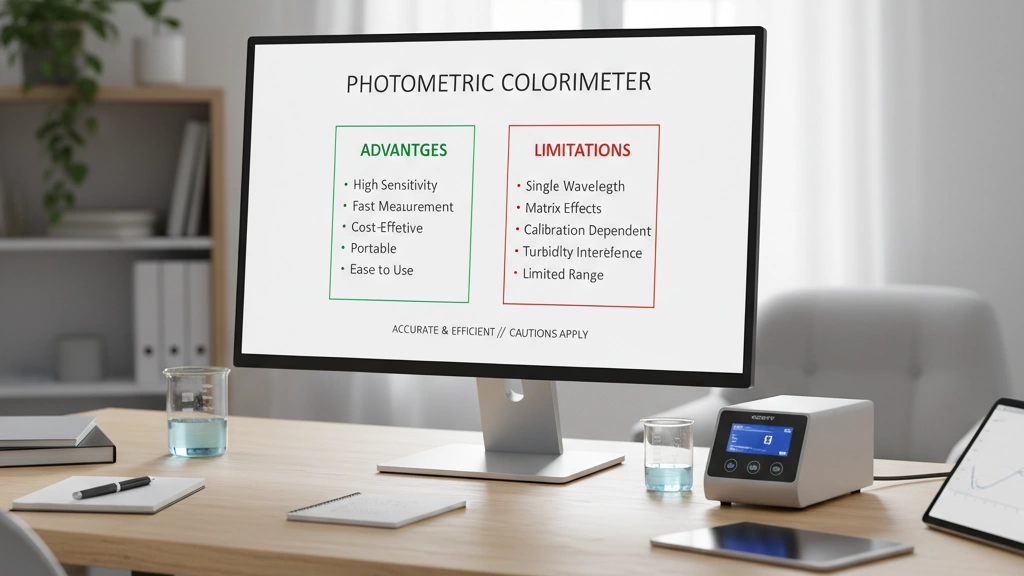
Photometric colorimeters offer several key benefits that make them popular in many labs and field settings. First up, affordability is a big plus—they cost less than spectrophotometers, making them accessible for smaller labs and businesses. Portability is another major advantage; many models are compact and easy to carry, perfect for on-site testing like water quality or food safety checks. When it comes to results, they provide accurate and consistent color measurement, especially for routine solute concentration testing based on the Beer-Lambert law application.
However, there are some limitations to keep in mind. Photometric colorimeters often work within a narrow spectral range, which means they can\’t capture as broad a spectrum as a spectrophotometer. This restricts their use in complex samples requiring detailed spectral analysis. They might also face interference from ambient light or sample turbidity, which can affect light absorbance measurement accuracy. Plus, they lack the imaging capabilities found in imaging photometer systems, limiting visual data.
To tackle these drawbacks, consider these mitigation strategies:
- Use hybrid models that combine photometric colorimetry with fuller spectral detection for enhanced precision.
- Regular maintenance and calibration, especially cuvette calibration techniques, to ensure reliable readings.
- Employ wavelength selection filters tailored to specific tests to reduce interference.
- Implement controlled lighting conditions during measurements.
By understanding these factors, you can choose the right photometric colorimeter that balances cost and performance for your needs.
Selecting the Right Photometric Colorimeter

Picking the right photometric colorimeter is key to getting reliable results without overspending. Here’s what to look out for when making your choice:
Critical Technical Specifications
- Wavelength range: Make sure the device covers the specific wavelengths your tests require, based on the Beer-Lambert law application and the types of analytes you measure.
- Detection method: Check for photometric detector types that suit your samples, like tristimulus colorimeters or high-precision spectral instruments.
- Cuvette compatibility: Confirm the size and calibration options for cuvettes, ensuring proper fit and ease of use.
- Accuracy and repeatability: Look for devices with tight tolerances for light absorbance measurement and quantitative colorimetry.
- Software features: Integration with lab software can help streamline data interpretation and improve workflow.
Budget and ROI Factors
- Balance upfront cost with long-term value:
- Consider durability and maintenance costs.
- Factor in potential savings from reduced reagent use and faster testing.
- Portable models may add flexibility but sometimes at a higher price.
Vendor Evaluation Criteria
- Choose brands known for reliability and strong customer support.
- Look for:
- Fast response times and clear technical guidance.
- Warranty and service plans.
- Local availability of parts and maintenance support.
Decision-Making Framework for Lab Needs
- Match the device capabilities with your core applications, whether it’s environmental testing, biochemical assays, or quality assurance in manufacturing.
- Consider how frequently you\’ll use the colorimeter and if portability matters.
- Think about future scaling—will this device meet expanding testing demands?
Selecting wisely means your photometric colorimeter becomes a solid, dependable tool that fits both your lab’s technical needs and budget constraints.
Spotlight on Jingce Photometric Colorimeters
Jingce is a trusted name in high-precision imaging and spectral instruments, known for delivering reliable photometric colorimeters that meet the needs of various industries. Their product range includes advanced photometric devices designed for accurate light absorbance measurement and quantitative colorimetry, perfect for labs focused on solute concentration testing and environmental analyte detection.
What sets Jingce apart is their use of cutting-edge spectral technology, which ensures precise wavelength selection and minimizes interference. This tech allows users to get consistent results whether they\’re doing water quality photometry, biochemical assays, or food and beverage quality checks. Their photometric colorimeters feature robust calibration options, user-friendly interfaces, and seamless software integration that simplifies data interpretation.
If you’re looking for reliable, accurate, and affordable photometric colorimeters, Jingce’s lineup is worth considering. Their focus on innovation and durability makes their products a smart choice, especially for labs aiming to improve testing efficiency with high-precision tools. Explore Jingce’s offerings to find devices tailored to your specific lab needs and start benefiting from their advanced technology today.
Future Trends and Innovations in Photometric Colorimeters
The future of photometric colorimeters looks exciting, especially with portable and AI-enabled devices becoming more common. These smart colorimeters use artificial intelligence to improve accuracy and speed up data analysis, making lab work and field testing much easier and faster.
Integration with spectrometers and IoT (Internet of Things) is another big step forward. This means colorimeters can connect directly with other lab instruments and online monitoring systems, allowing real-time data sharing and remote control. For industries like water quality testing or biochemical labs, this kind of seamless connectivity helps detect issues faster and maintain consistent results.
Sustainability is also shaping photometric technology. Manufacturers are focusing on energy-efficient designs, longer-lasting sensors, and recyclable materials to reduce environmental impact. This aligns with growing global demands for greener lab tools.
Looking ahead, we can expect continuous improvements in accuracy and smart analytics features. Advanced software will deliver deeper insights from colorimetric data, enabling better decision-making in industries like food, manufacturing, and environmental monitoring.
Key takeaways:
- Portable, AI-powered colorimeters boost convenience and accuracy
- IoT integration enables real-time lab monitoring and data sharing
- Sustainable designs are reducing waste and energy use
- Smarter analytics enhance interpretation and product quality control
These trends ensure photometric colorimeters will stay essential tools across many fields, offering faster, smarter, and greener solutions tailored for today’s local lab and field environments.