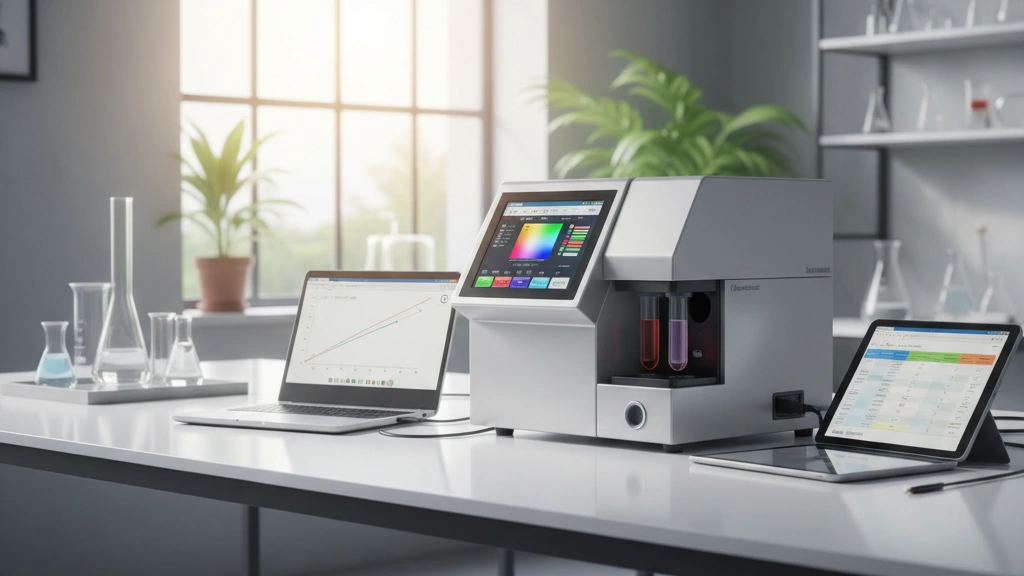
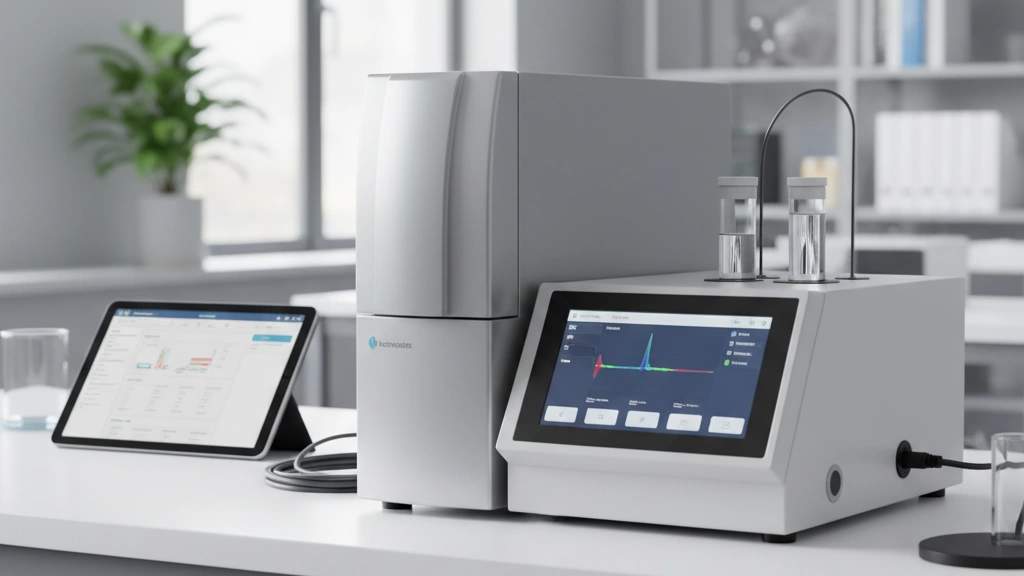
The Fundamentals: What Exactly Is a Photometric Colorimeter?
If you’ve ever wondered how scientists and industries measure color with precision, a photometric colorimeter is often the answer. At its core, this device quantifies the concentration of a substance by measuring the intensity of light passing through a sample, using principles rooted in the Beer-Lambert Law.
A Brief Historical Evolution
The journey of photometric colorimeters dates back to early analytical chemistry, where simple filter photometers were used to estimate color and concentration in solutions. Over time, technological advances refined these devices to offer higher accuracy, portability, and ease of use—leading to today’s sophisticated models like those from Jingce, designed for both laboratory and field applications.
Core Definition and Types
Simply put, a photometric colorimeter shines specific wavelengths of light through a sample—often held in a cuvette—and measures how much light the sample absorbs. This absorbance correlates directly with concentration, making it invaluable for quick, reliable analysis.
Common types include:
- Single-Wavelength Colorimeters: Best for simple absorbance tests
- Multi-Wavelength Colorimeters: Allow more complex analyses across several colors
- Portable Colorimeters: Designed for on-the-go testing without sacrificing accuracy
Key Components Breakdown
A typical photometric colorimeter consists of:
- Light Source: Provides stable and consistent illumination, often LEDs tuned to target wavelengths
- Optical Filters: Select the specific color or wavelength critical for the test
- Sample Holder (Cuvette): Transparent container for the sample liquid
- Photodetector: Detects transmitted light intensity, converting it into an electrical signal
- Display and Controls: User interface to read results and configure tests
Why Photometric Specificity Matters
Why not just use any colorimeter? Photometric colorimeters are designed with high specificity to accurately interpret how much light is absorbed at precise wavelengths. This specificity is crucial because different substances absorb light differently, and accurate measurement depends on targeting the exact portion of the spectrum relevant to the analyte.
The precision of a photometric colorimeter ensures consistency in fields ranging from water quality photometry to biochemical assays, translating to trustworthy data you can count on.
By understanding these fundamentals, you’re better equipped to select and utilize a photometric colorimeter that fits your needs, whether for lab research or industrial quality control.
How It Works: The Science Behind Accurate Measurements

A photometric colorimeter measures how much light a sample absorbs to determine its concentration. It relies on the Beer-Lambert Law, which links light absorbance to the amount of substance in a solution.
Core Principle
- A light source sends a beam through the sample, usually held in a cuvette.
- The sample absorbs some light, and the rest passes through to a detector.
- The colorimeter measures the intensity difference to calculate absorbance.
Step-by-Step Process
| Step | Action | Result |
|---|---|---|
| 1. Calibration | Set the colorimeter using a blank sample | Establishes zero absorbance baseline |
| 2. Sample Preparation | Place sample in cuvette | Ready for measurement |
| 3. Light Transmission | Light passes through sample | Some light absorbed |
| 4. Detection | Sensor measures transmitted light | Data recorded on absorbance |
| 5. Calculation | Absorbance used to find concentration | Quantitative result produced |
Data Interpretation
Absorbance values are directly proportional to concentration, making it easy to measure things like biochemical assays, water quality, or industrial color control. Most colorimeters display results immediately, and some models allow data export for detailed analysis.
Visual Aids
- Graphs showing absorbance vs. concentration often help confirm accuracy.
- Many photometric colorimeters include digital displays or connect to computers for easy monitoring.
Keep in mind, using the right wavelength and ensuring clean cuvettes are key for precise, repeatable results.
Photometric Colorimeters vs. Similar Instruments: Making the Right Choice
When choosing a photometric colorimeter, it’s important to know how it stacks up against similar instruments like spectrophotometers and tristimulus colorimeters. Understanding their differences helps you pick the right tool for your needs, especially if you’re focused on absorbance measurement or color quality control.
Head-to-Head Comparison
| Feature | Photometric Colorimeter | Spectrophotometer | Tristimulus Colorimeter |
|---|---|---|---|
| Measurement Basis | Measures light absorbance at specific wavelengths (Beer-Lambert Law) | Measures full spectrum light absorbance | Measures color based on human vision response |
| Accuracy | High for targeted wavelengths | Higher, with spectral data | Moderate, focused on color matching |
| Complexity | Simple and user-friendly | More complex with detailed data | Simple color matching |
| Portability | Often portable, easy to use | Usually bulkier lab equipment | Portable and easy to operate |
| Typical Uses | Water quality photometry, biochemical assays, industrial color checks | Detailed spectral analysis, research | Industrial color control, paint matching |
Pros and Cons of Photometric Colorimeters
-
Pros:
- Quick and reliable for absorbance and color intensity testing
- Generally affordable compared to spectrophotometers
- Portable and easy to maintain
- Ideal for routine lab or field testing (e.g., water quality monitoring)
-
Cons:
- Limited to measuring fixed wavelengths through filters
- Less versatile than a full-spectrum spectrophotometer
- Not designed for detailed spectral data or luminance quantification
Decision Framework: Which One to Choose?
-
Choose a photometric colorimeter if you need:
- Fast, routine absorbance measurement
- Simple, reliable testing in labs or industry
- A cost-effective option for water, food, or biochemical assays
-
Opt for a spectrophotometer when you want:
- Detailed, full-spectrum information
- High precision in research or advanced industrial settings
-
Go for a tristimulus colorimeter if your focus is:
- Color matching and quality control based on human perception
- Quick, on-the-spot color checks in manufacturing or design
In short, photometric colorimeters shine when you want straightforward, effective light transmittance testing without the complexity or expense of bigger instruments. Knowing these differences makes it easier to pick the right device for your lab or fieldwork in our local market.
Real-World Applications: Where Photometric Colorimeters Shine
Photometric colorimeters are trusted tools across multiple fields thanks to their precision and ease of use. Here\’s how they make a real difference:
Laboratory Essentials
In labs, photometric colorimeters are key for biochemical assays and concentration calibration. They help measure absorbance quickly through cuvette-based analysis, making tests reliable and repeatable. Whether analyzing blood samples or chemical solutions, they follow principles like the Beer-Lambert Law to ensure accurate results.
Environmental Monitoring
These devices play a huge role in water quality photometry by testing pollutants and contaminants. Checking light transmittance helps spot changes in water clarity and composition, essential for environmental safety and regulatory compliance.
Industrial Quality Control
In industries like paint, textiles, or food, maintaining consistent color is critical. Photometric colorimeters support industrial color control by providing fast, objective, and repeatable measurements. This reduces waste and ensures product quality meets customer expectations.
Emerging Uses
Portable colorimetry is rising in popularity for field tests—from soil testing to on-site chemical analysis—where traditional lab instruments aren’t practical. Innovations in compact devices are making photometric colorimeters accessible beyond classic lab settings.
Case Study: Water Treatment Plant
A local water treatment facility improved its testing workflow by switching to a photometric colorimeter. It streamlined routine checks for chlorine levels and turbidity, ensuring safer drinking water with faster absorbance measurement and outcome reporting.
These examples show why photometric colorimeters are essential tools tailored to both everyday lab work and dynamic field environments.
Selecting the Ideal Photometric Colorimeter: Expert Buying Guide

Choosing the right photometric colorimeter can make all the difference in your lab or fieldwork. Here’s a quick guide to help you pick the best fit based on what really matters.
Key Specifications to Evaluate
- Accuracy & Precision: Look for instruments with reliable absorbance measurement and strict adherence to the Beer-Lambert Law. This ensures your concentration calibration is spot on.
- Wavelength Range: The wider the spectral absorption range, the more versatile your colorimeter will be for different tests.
- Cuvette Compatibility: Check if it supports various cuvette sizes for your specific biochemical assays or water quality photometry.
- Display & Data Output: A clear, easy-to-read screen with USB or Bluetooth connectivity helps simplify data interpretation.
- Portability: If you need on-the-go testing, a compact, portable colorimeter with battery power is a must.
Budget Tiers
- Entry-Level: Great for basic environmental monitoring and educational labs. These models cover essential functions like filter photometer operation and light transmittance testing but may lack advanced features.
- Mid-Range: Ideal for industrial quality control and routine lab work. Expect better precision, broader wavelength options, and more durable builds.
- High-End: For advanced research and biochemistry applications, these come with automated calibration, enhanced luminance quantification, and software integration.
Top Features for Longevity
- Robust housing to handle field conditions and frequent use.
- Easy maintenance designs that reduce downtime.
- Software updates for compatibility with new testing standards.
- Reliable customer support from recognized brands.
Brand Spotlight
When it comes to reliable photometric colorimeters, brands like Jingce stand out. They combine advanced tech with user-friendly designs, making them popular among professionals in labs and industries here. Local dealers also provide quick service and support—a big plus if you value uptime.
With this guide, you’ll better navigate the options and find a photometric colorimeter that matches your needs and budget perfectly.
Maintenance, Troubleshooting, and Best Practices for Peak Performance

Keeping your photometric colorimeter in top shape is essential for reliable results and long-lasting use. Here’s what you need to know:
Routine Care
- Clean the cuvette and optical parts regularly to avoid dust or residue affecting light transmittance testing.
- Calibrate your device frequently using standard solutions to maintain accurate absorbance measurement based on the Beer-Lambert Law.
- Store properly in a dry, dust-free environment when not in use to protect filters and sensors from damage.
- Replace batteries or recharge if portable colorimetry is used often to prevent sudden power loss during measurements.
Common Issues and Fixes
| Problem | Possible Cause | Quick Fix |
|---|---|---|
| Inconsistent absorbance values | Dirty cuvette or filters | Clean cuvette and check filters |
| No power or unresponsive unit | Battery/power failure | Replace or charge battery |
| Error messages during readout | Software glitch | Restart device or update firmware |
| Low light intensity readings | Faulty lamp or sensor | Inspect and replace if needed |
If your instrument isn’t working despite these fixes, refer to the manufacturer’s manual or contact customer support.
Safety and Compliance
- Always wear gloves when handling samples to avoid contamination.
- Handle cuvettes carefully to prevent glass breakage.
- Follow local lab safety rules and disposal guidelines for chemical waste.
- Ensure your photometric colorimeter meets industry standards for environmental or industrial use.
Pro Tips
- Schedule routine checks to identify wear and tear early.
- Keep a logbook of maintenance activities and calibration results for quality control.
- Use manufacturer-approved parts and accessories to avoid voiding warranties.
- Train users thoroughly to reduce errors and extend instrument life.
By following these steps, you’ll get consistent, trouble-free performance from your photometric colorimeter, whether it’s for lab tests, environmental monitoring, or industrial color control.
The Future of Photometric Colorimeters: Innovations on the Horizon
The world of photometric colorimeters is evolving fast, driven by new tech trends that promise greater accuracy, portability, and ease of use. We’re seeing advances like smarter sensors, wireless connectivity, and improved data analysis software—all designed to make color and concentration measurement quicker and more reliable.
Sustainability is also becoming a key focus. Manufacturers are innovating with eco-friendly materials and energy-efficient designs to reduce environmental impact. This aligns well with the growing demand for greener lab and industrial equipment, especially in markets conscious about their carbon footprint.
Jingce, a leader in high-precision imaging and spectral instruments, is at the forefront of this innovation. Their vision includes developing next-gen photometric colorimeters that blend cutting-edge technology with user-friendly features, ensuring tools that meet the evolving needs of labs and industries locally and globally.
If you’re looking to stay ahead with reliable, future-ready photometric colorimeters, now’s the time to explore these new models. Reach out to trusted suppliers like Jingce to discover solutions that fit your workflow and sustainability goals perfectly.